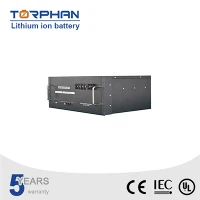

As a supplier of marine lithium batteries, I've often been asked whether these advanced power sources are suitable for racing boats. The question is not just about compatibility; it delves into performance, safety, and cost - effectiveness. In this blog, we'll explore the viability of using marine lithium batteries in racing boats from multiple angles.
Performance Advantages
High Energy Density
One of the most significant advantages of marine lithium batteries is their high energy density. Compared to traditional lead - acid batteries, lithium batteries can store more energy in a smaller and lighter package. For racing boats, weight is a critical factor. Every extra pound can slow down the boat and reduce its acceleration. A marine lithium battery, such as those found at Li Ion Marine Battery, can provide the same or even more power while weighing significantly less. This weight reduction allows the boat to move more efficiently through the water, potentially increasing its top speed and improving its overall racing performance.
Fast Charging
Racing boats often have tight schedules between races. They need to recharge their batteries quickly to be ready for the next event. Marine lithium batteries offer a much faster charging rate than lead - acid batteries. This means that racers can spend less time waiting for their batteries to charge and more time on the water practicing or competing. With a fast - charging Battery LFP Marine, racers can optimize their time and get the most out of their racing days.
Consistent Power Output
During a race, a consistent power supply is crucial. Lead - acid batteries tend to experience a drop in voltage as they discharge, which can lead to a decrease in performance. Marine lithium batteries, on the other hand, maintain a relatively constant voltage throughout their discharge cycle. This consistent power output ensures that the boat's electrical systems, such as the engine ignition, navigation equipment, and communication devices, operate at their best, providing a more reliable and predictable racing experience.
Safety Considerations
Thermal Management
Safety is always a top priority when it comes to using lithium batteries. In a racing environment, where the batteries may be subjected to high - stress conditions, proper thermal management is essential. Modern marine lithium batteries are designed with advanced thermal management systems to prevent overheating. These systems can include built - in cooling mechanisms and temperature sensors that monitor the battery's temperature and adjust the charging and discharging processes accordingly. At our company, we ensure that our Lithium Boat Batteries meet the highest safety standards, so racers can have peace of mind knowing that their power source is reliable.
Fire and Explosion Resistance
Although lithium batteries have gained a reputation for being prone to fires and explosions in some cases, the marine lithium batteries we supply are engineered with multiple safety features to mitigate these risks. They have built - in safety circuits that prevent overcharging, over - discharging, and short - circuits. Additionally, the battery enclosures are made of fire - resistant materials to contain any potential fires. These safety measures make marine lithium batteries a safe choice for racing boats when used and maintained correctly.
Cost - Effectiveness
Long Lifespan
While the initial cost of marine lithium batteries is higher than that of lead - acid batteries, they have a much longer lifespan. A well - maintained marine lithium battery can last up to 10 years or more, compared to 2 - 5 years for a lead - acid battery. Over the long term, the cost per cycle of a lithium battery is significantly lower. For racing boat owners, who often use their boats frequently, the long lifespan of a marine lithium battery can result in substantial cost savings over time.
Reduced Maintenance
Lead - acid batteries require regular maintenance, such as checking the electrolyte levels, cleaning the terminals, and equalizing the voltage. Marine lithium batteries, on the other hand, are virtually maintenance - free. This not only saves time but also reduces the overall cost of ownership. Racers can focus on preparing their boats for races rather than spending time on battery maintenance.
Installation and Compatibility
Compatibility with Existing Systems
When considering using a marine lithium battery in a racing boat, compatibility with the existing electrical systems is an important factor. In most cases, marine lithium batteries can be easily installed in place of lead - acid batteries, as they have similar voltage and physical dimensions. However, it may be necessary to make some minor adjustments to the charging system to ensure optimal performance. Our technical support team is available to assist racers with any installation and compatibility issues they may encounter.
Specialized Applications
Some racing boats may have specialized electrical systems that require a customized battery solution. For example, high - performance racing boats with advanced electronic equipment may need a battery with a higher discharge rate and better power management. As a marine lithium battery supplier, we offer a range of products that can be tailored to meet the specific needs of racing boats. Our engineers can work closely with racers to design a battery system that maximizes performance and reliability.
Conclusion
In conclusion, marine lithium batteries can indeed be used in racing boats, and they offer several advantages over traditional lead - acid batteries. Their high energy density, fast charging, consistent power output, safety features, long lifespan, and reduced maintenance make them an attractive option for racing boat owners. However, it's important to choose a high - quality marine lithium battery from a reputable supplier and ensure proper installation and maintenance.
If you're a racing boat owner or enthusiast interested in exploring the benefits of marine lithium batteries for your vessel, we'd love to hear from you. Contact us to discuss your specific requirements and start a conversation about how our Li Ion Marine Battery, Battery LFP Marine, or Lithium Boat Batteries can enhance your racing performance.


References
- Cole, D. (2020). The Future of Marine Batteries: Lithium vs. Lead - Acid. Marine Technology Journal.
- Johnson, M. (2019). Safety Considerations for Lithium Batteries in Marine Applications. Journal of Maritime Safety and Technology.
- Smith, A. (2021). Cost - Benefit Analysis of Marine Lithium Batteries. Marine Economics Review.