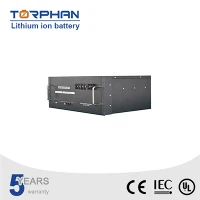

Hey there! As a supplier of power walls, I'm super stoked to break down how these nifty devices work. Power walls have been a game - changer in the world of energy storage, and I'm here to give you the lowdown.
First off, let's talk about what a power wall actually is. In simple terms, it's a rechargeable energy storage system. Think of it as a big battery that can store electricity for later use. This is especially useful for homes and small businesses. You can store energy when it's cheap (like during off - peak hours) and use it when it's expensive (peak hours). It's also great for using solar energy more effectively. If you have solar panels on your roof, the power wall can store the excess energy they generate during the day so you can use it at night.
Now, onto the nitty - gritty of how it works. At the heart of a power wall is the battery. Most modern power walls, like the Lithium Ion Battery Power Wall, use lithium - ion batteries. These are the same type of batteries you find in your smartphones and laptops, but on a much larger scale.
Lithium - ion batteries work based on the movement of lithium ions between two electrodes: the anode and the cathode. When the battery is charging, lithium ions move from the cathode to the anode through an electrolyte. The electrolyte is a substance that allows the ions to move freely. At the same time, electrons flow through an external circuit, creating an electric current.
When you want to use the energy stored in the power wall (discharging), the process reverses. Lithium ions move from the anode back to the cathode, and the electrons flow through the external circuit again, powering your devices. This movement of ions and electrons is what makes the battery charge and discharge, providing you with usable electricity.


Let's take a look at the components of a power wall in a bit more detail. The battery pack is just one part of the system. There's also a battery management system (BMS). The BMS is like the brain of the power wall. It monitors the battery's temperature, voltage, and state of charge. It makes sure the battery is charging and discharging safely and efficiently. If the battery gets too hot, the BMS can adjust the charging rate to prevent damage. It also balances the cells in the battery pack to ensure they all have the same charge level, which helps extend the battery's lifespan.
Another important component is the inverter. The inverter converts the direct current (DC) electricity stored in the battery into alternating current (AC) electricity, which is what most of our household appliances use. Without an inverter, the power stored in the battery wouldn't be usable in our homes.
Now, let's talk about the different types of power walls we offer. We have the Powerwall 10kwh for Home Energy Storage. This is a great option for smaller homes or those with moderate energy needs. It can store up to 10 kilowatt - hours of energy, which is enough to power essential appliances like lights, a fridge, and a TV for several hours.
If you have a larger home or higher energy demands, our Power Wall 200ah might be a better fit. With a larger capacity, it can store more energy and keep your home running for longer periods, even during a power outage.
One of the great things about power walls is their flexibility. You can connect multiple power walls together to increase your energy storage capacity. This is especially useful for larger properties or businesses that need a lot of energy.
When it comes to installation, it's relatively straightforward. Our power walls are designed to be wall - mounted, either indoors or outdoors. They come with all the necessary hardware and instructions for installation. Of course, we highly recommend having a professional electrician install the power wall to ensure it's done safely and correctly.
Once the power wall is installed, it starts working right away. If you're using it in conjunction with solar panels, it will automatically start charging when the solar panels are generating more electricity than your home needs. And when the sun goes down or your energy usage increases, the power wall will start discharging to provide you with power.
In terms of maintenance, power walls are pretty low - maintenance. You don't have to worry about adding water or doing any complex upkeep. The BMS takes care of most of the maintenance tasks, like monitoring the battery's health. However, it's still a good idea to have the power wall inspected regularly by a professional to make sure everything is working as it should.
Now, let's talk about the benefits of having a power wall. First and foremost, it can save you money on your energy bills. By storing energy during off - peak hours and using it during peak hours, you can take advantage of lower electricity rates. It also reduces your reliance on the grid, which can be especially useful in areas with unreliable power supply.
Power walls are also great for the environment. By using stored solar energy, you're reducing your carbon footprint and contributing to a more sustainable future. You're using clean, renewable energy instead of relying solely on fossil - fuel - based electricity.
If you're interested in learning more about our power walls or are thinking about purchasing one, we'd love to have a chat with you. Whether you're a homeowner looking to reduce your energy bills or a business owner wanting to ensure a reliable power supply, we have the right power wall solution for you. Just reach out to us, and we'll be happy to discuss your needs and provide you with a quote.
In conclusion, power walls are an amazing technology that can revolutionize the way we use and store energy. They offer a reliable, cost - effective, and sustainable solution for homes and businesses. So, if you're ready to take control of your energy usage, consider investing in a power wall.
References:
- General knowledge of lithium - ion battery technology
- Manufacturer specifications of power wall products