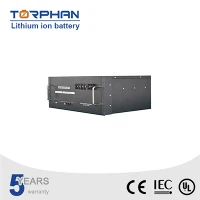

A sudden drop in the voltage of a Toyota forklift battery can be a concerning issue for forklift operators and warehouse managers. As a trusted supplier of Toyota forklift batteries, I've witnessed firsthand the detrimental effects of such voltage drops on forklift performance and productivity. In this blog, I'll explore the various factors that could lead to a sudden voltage drop in a Toyota forklift battery, offering insights and solutions to help you address this problem effectively.
1. Battery Aging and Wear
One of the most common reasons for a sudden voltage drop is the natural aging and wear of the battery. Over time, the internal components of a forklift battery, such as the plates and separators, deteriorate. This degradation can lead to a decrease in the battery's capacity to hold a charge and deliver a consistent voltage. For instance, sulfation may occur on the lead - acid battery plates. Sulfation is a process where lead sulfate crystals build up on the plates, reducing the surface area available for chemical reactions. As a result, the battery's ability to generate and maintain voltage is impaired.
According to industry standards, a typical lead - acid forklift battery has a lifespan of about 1500 - 2000 charge - discharge cycles. Once a battery approaches or exceeds this cycle count, it becomes more prone to sudden voltage drops. In my experience, many customers come to us when their old batteries start showing signs of inconsistent voltage. We often recommend considering a replacement battery, such as our Lithium Ion Battery 8FBN20, which offers a longer lifespan and more stable voltage output compared to traditional lead - acid batteries.
2. Overcharging and Undercharging
Both overcharging and undercharging can have a significant impact on a Toyota forklift battery's voltage. Overcharging occurs when the battery is charged for too long or at too high a voltage. This can cause the water in the battery electrolyte to evaporate, leading to an increase in the acid concentration. High acid concentration can corrode the battery plates and damage other internal components, resulting in a loss of voltage.
On the other hand, undercharging leaves the battery partially discharged for an extended period. This can cause the formation of hard lead sulfate crystals on the plates, a condition known as sulfation. Sulfated batteries have a reduced capacity to accept and hold a charge, leading to a sudden drop in voltage during operation. To avoid these issues, it's crucial to follow the manufacturer's charging instructions carefully. Our Forklift Battery LiFePO4 comes with advanced charging management systems that help prevent overcharging and undercharging, ensuring a more stable voltage over time.
3. Internal Short Circuits
Internal short circuits within the battery can also cause a sudden voltage drop. A short circuit occurs when the positive and negative plates come into contact with each other, either directly or through a conducting path. This can be due to several reasons, such as physical damage to the battery, the growth of dendritic structures (tiny metal filaments) between the plates, or the breakdown of the separators.
When a short circuit happens, the electrical current bypasses the normal electrical path in the battery, causing a rapid decrease in voltage. In some cases, a short - circuited cell may even cause the battery as a whole to malfunction. If you suspect an internal short circuit, it's important to handle the battery with extreme care and contact a professional for inspection. Our team of experts can diagnose and repair such issues or recommend a suitable replacement, like the 48v Toyota Forklift Battery, if necessary.
4. High - Temperature Exposure
High - temperature environments can have a negative impact on a Toyota forklift battery's performance and voltage. When a battery is exposed to high temperatures, the chemical reactions within the battery accelerate. This can lead to increased self - discharge rates, where the battery loses its charge even when it's not in use. Additionally, high temperatures can cause the electrolyte to expand and evaporate more quickly, leading to a decrease in the electrolyte level and an increase in internal resistance.
The increased internal resistance makes it more difficult for the battery to deliver a consistent voltage, resulting in a sudden drop. To mitigate the effects of high temperatures, it's important to store and operate the forklift in a well - ventilated area. If possible, use a cooling system to keep the battery temperature within the recommended range. Our lithium - ion batteries are more resistant to high - temperature effects compared to lead - acid batteries, providing a more stable voltage output in challenging environments.


5. Excessive Discharge
Excessive discharge, also known as deep cycling, can cause a sudden voltage drop in a Toyota forklift battery. When a battery is discharged too deeply, it puts a lot of stress on the internal components. This can lead to irreversible damage to the battery plates and separators, reducing the battery's capacity and voltage output.
Most forklift batteries are designed to be discharged to a certain depth, typically around 80% of their capacity. Discharging beyond this level on a regular basis can significantly shorten the battery's lifespan and cause voltage problems. To avoid excessive discharge, it's important to monitor the battery's state of charge regularly and recharge it before it reaches a critically low level.
Conclusion
A sudden drop in the voltage of a Toyota forklift battery can be caused by a variety of factors, including battery aging, overcharging or undercharging, internal short circuits, high - temperature exposure, and excessive discharge. As a supplier of Toyota forklift batteries, we understand the importance of maintaining a stable voltage for optimal forklift performance.
If you're experiencing voltage drop issues with your Toyota forklift battery, don't hesitate to contact us. Our team of experts can provide you with in - depth analysis, solutions, and high - quality battery products. Whether you need a new Lithium Ion Battery 8FBN20, Forklift Battery LiFePO4, or 48v Toyota Forklift Battery, we're here to help you make the right choice. Let's work together to ensure your forklifts operate at their best.
References
- Battery Council International (BCI). "Battery Maintenance and Safety Guidelines."
- Toyota Forklift Technical Manuals.
- Industry research on forklift battery performance and longevity.