
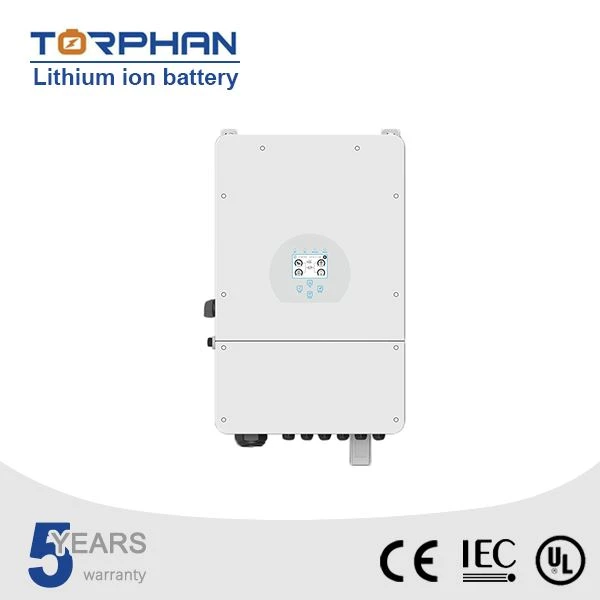
home solar inverter
Power optimizers: a panel-located option to pair with a string inverter
Power optimizers can be thought of as a compromise between string inverters and microinverters. Like microinverters, power optimizers are located on the roof next to (or integrated with) individual solar panels. However, systems with power optimizers still send energy to a centralized inverter.
Power optimizers don’t convert the DC electricity into AC electricity at the site of the solar panel. Rather, they “condition” the DC electricity by fixing the voltage of the electricity, at which point the electricity is sent down to the string inverter. A system that pairs power optimizers with a string inverter is more efficient than one that uses a string inverter alone in shading scenarios.
Pros: Like microinverters, power optimizers can improve the efficiency of your solar panel system if you have a complicated roof or frequent shading; however, optimizers tend to cost less than microinverters. They optimize the output of each individual panel to mitigate the impact any one shaded panel can have, and also provide the benefit of monitoring the performance of individual panels.
Cons: A system that pairs power optimizers with a string inverter will cost more than a system with a standard string inverter option. As with microinverters, solar PV systems that include power optimizers can be more difficult to maintain.
Best for: Homeowners with a slightly less than ideal roof for solar who are willing to pay more to increase the performance of their solar panel system, but who don’t want to invest in microinverters.
Hot Tags: home solar inverter, China, suppliers, manufacturers, factory, buy


