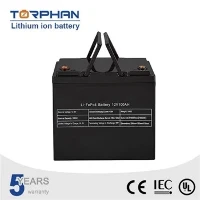

Hey there! I'm a supplier of Golf Cart Batteries, and I often get asked about how to measure the voltage of a golf cart battery accurately. It's a crucial skill for anyone who owns or maintains a golf cart, and in this blog, I'll share some tips and tricks to help you get it right.


Why Measuring Voltage is Important
First off, let's talk about why measuring the voltage of your golf cart battery is so important. The voltage of a battery gives you a good idea of its state of charge. A fully charged battery will have a higher voltage, while a discharged battery will have a lower voltage. By measuring the voltage regularly, you can keep track of your battery's health and performance, and take action if necessary.
For example, if you notice that the voltage of your battery is consistently low, it could be a sign that the battery is nearing the end of its life or that there's a problem with the charging system. On the other hand, if the voltage is too high, it could indicate overcharging, which can damage the battery.
Tools You'll Need
Before you start measuring the voltage of your golf cart battery, you'll need a few tools. The most important tool is a voltmeter. You can find voltmeters at most hardware stores or online. Make sure you choose a voltmeter that's suitable for measuring DC voltage, as golf cart batteries use direct current.
In addition to a voltmeter, you'll also need a pair of safety gloves and safety glasses. Batteries can be dangerous, so it's important to take precautions to protect yourself.
Step-by-Step Guide to Measuring Voltage
Now that you have the necessary tools, let's go through the steps to measure the voltage of your golf cart battery accurately.
Step 1: Prepare the Battery
Before you start measuring the voltage, make sure the battery is disconnected from any power source. This will prevent any electrical shocks or damage to the voltmeter. Also, clean the battery terminals to ensure a good connection. You can use a wire brush or a battery terminal cleaner to remove any dirt or corrosion.
Step 2: Set the Voltmeter
Turn on the voltmeter and set it to the DC voltage setting. Most voltmeters have a range selector, so make sure you choose a range that's appropriate for the voltage of your golf cart battery. Golf cart batteries typically have a voltage of 6V, 12V, 24V, 36V, or 48V.
Step 3: Connect the Voltmeter
Connect the red lead of the voltmeter to the positive terminal of the battery and the black lead to the negative terminal. Make sure the connections are secure.
Step 4: Read the Voltage
Once the voltmeter is connected, read the voltage on the display. The voltage reading will give you an idea of the state of charge of the battery. Here's a general guideline for interpreting the voltage readings:
- Fully charged: A fully charged 12V battery should have a voltage of around 12.6 - 12.8V. For a 6V battery, the fully charged voltage should be around 6.3 - 6.4V.
- Partially charged: If the voltage is between 12.2 - 12.5V for a 12V battery or 6.1 - 6.2V for a 6V battery, the battery is partially charged.
- Discharged: A voltage of 12V or less for a 12V battery or 6V or less for a 6V battery indicates that the battery is discharged.
Step 5: Record the Reading
It's a good idea to record the voltage reading along with the date and time. This will help you keep track of the battery's performance over time.
Factors Affecting Voltage Measurement
There are several factors that can affect the accuracy of your voltage measurement. Here are some things to keep in mind:
- Temperature: Battery voltage can be affected by temperature. A battery will have a higher voltage when it's warm and a lower voltage when it's cold. So, it's best to measure the voltage at a consistent temperature.
- Load: If the battery is under load (i.e., powering the golf cart), the voltage reading will be lower than the actual state of charge. It's best to measure the voltage when the battery is at rest.
- Age and Condition: As a battery ages, its performance can decline, and the voltage may not accurately reflect the state of charge. If you suspect that your battery is old or in poor condition, it's a good idea to have it tested by a professional.
Our Battery Products
At our company, we offer a wide range of high-quality golf cart batteries. Check out our Golf Rechargeable Battery LFP, which is a great option for those looking for a reliable and long-lasting battery. We also have LITHIUM BATTERIES FOR ELECTRIC GOLF CADDIES that are lightweight and powerful. And if you need a 24V battery, we have 24 Volt Golf Cart Batteries to meet your needs.
Conclusion
Measuring the voltage of a golf cart battery accurately is an important skill that can help you keep your battery in good condition and ensure the optimal performance of your golf cart. By following the steps outlined in this blog and taking into account the factors that can affect voltage measurement, you'll be able to get reliable voltage readings.
If you're in the market for a new golf cart battery or have any questions about battery maintenance, feel free to reach out to us. We're here to help you find the right battery for your needs and provide you with the best customer service.
References
- Battery University: A great resource for battery-related information.
- Golf Cart Maintenance Manuals: Check the manufacturer's manual for specific instructions on battery maintenance and voltage measurement.