
As a supplier of home battery storage systems, I've witnessed firsthand the transformative potential of these technologies in reshaping the way we interact with energy and the environment. In this blog post, I'll explore the multifaceted impacts of home battery storage on the local environment, drawing on scientific research and real - world examples.
Reducing Greenhouse Gas Emissions
One of the most significant environmental benefits of home battery storage is its potential to reduce greenhouse gas emissions. Traditional electricity generation, especially from fossil fuels such as coal and natural gas, is a major contributor to carbon dioxide emissions, which are a leading cause of climate change.
Home battery storage systems allow homeowners to store excess electricity generated from renewable sources, such as solar panels. During the day, when the sun is shining, solar panels produce more electricity than a household may need. Instead of sending this excess electricity back to the grid, it can be stored in a home battery. Then, during the evening or on cloudy days when solar generation is low, the stored electricity can be used to power the home. This reduces the need to draw electricity from the grid, which may be powered by fossil - fuel - based power plants.
A study by the National Renewable Energy Laboratory (NREL) found that widespread adoption of home battery storage in combination with solar panels could significantly reduce carbon emissions at the local level. By storing and using renewable energy more efficiently, households can play a crucial role in the transition to a low - carbon energy future. For instance, in regions with a high penetration of solar energy, home battery storage can help smooth out the intermittent nature of solar power, making it a more reliable source of energy and reducing the reliance on fossil - fuel backup power.
Alleviating Strain on the Grid
Home battery storage systems can also have a positive impact on the local electricity grid. The grid is designed to meet peak electricity demand, which typically occurs in the evening when people return home from work and turn on lights, appliances, and electronics. During these peak periods, the grid may need to rely on additional power generation, often from less - efficient and more polluting power plants.
By using home battery storage, homeowners can reduce their electricity consumption from the grid during peak hours. They can charge their batteries during off - peak hours when electricity is cheaper and more abundant, and then use the stored energy during peak hours. This not only reduces the strain on the grid but also helps to avoid the need for building new power plants. A report from the International Renewable Energy Agency (IRENA) suggests that distributed energy storage, including home battery systems, can enhance grid stability and reliability, leading to a more efficient and sustainable energy infrastructure.
Minimizing Air Pollution
In addition to reducing greenhouse gas emissions, home battery storage can also help to minimize local air pollution. Fossil - fuel power plants emit pollutants such as sulfur dioxide, nitrogen oxides, and particulate matter, which can have serious health impacts on local communities. By reducing the demand for electricity from these power plants, home battery storage systems can contribute to improved air quality.
For example, in urban areas where air pollution is a major concern, the use of home battery storage in conjunction with renewable energy sources can help to reduce the concentration of harmful pollutants in the air. A study in a major city found that increased adoption of home battery storage and solar panels led to a noticeable decrease in air pollution levels, particularly during peak demand periods.
Promoting Energy Independence
Home battery storage systems also promote energy independence at the local level. By storing their own electricity, homeowners are less reliant on the grid and external energy suppliers. This can be particularly beneficial in areas prone to power outages or in regions where electricity prices are high.
Energy independence not only provides a sense of security for homeowners but also has environmental benefits. When households are less dependent on the grid, there is less need for long - distance transmission of electricity, which can result in energy losses. Additionally, promoting energy independence at the local level can encourage the development of a more decentralized and sustainable energy system.
Product Offerings
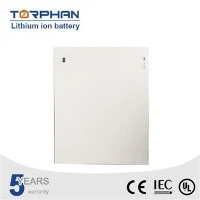
As a supplier, we offer a range of high - quality home battery storage solutions. Our EU Energy Storage Battery for Home is specifically designed to meet the energy storage needs of European households. It is highly efficient and reliable, ensuring that homeowners can store and use their renewable energy effectively.
Our Smart Home Battery is equipped with advanced technology that allows for intelligent energy management. It can automatically adjust the charging and discharging based on the electricity demand and the availability of renewable energy.
For those looking for a high - performance lithium - based solution, our Home Energy Storage Lithium Battery Pack offers long - lasting energy storage with a high energy density.
Conclusion
Home battery storage has a profound and positive impact on the local environment. From reducing greenhouse gas emissions and air pollution to alleviating strain on the grid and promoting energy independence, these systems are an essential component of a sustainable energy future.
If you're interested in learning more about our home battery storage solutions or are considering a purchase, we encourage you to reach out for a detailed discussion. Our team of experts is ready to assist you in finding the best solution for your energy needs.


References
- National Renewable Energy Laboratory (NREL). (Year). "Study on the impact of home battery storage on carbon emissions."
- International Renewable Energy Agency (IRENA). (Year). "Report on distributed energy storage and grid stability."
- City - specific study on air pollution reduction due to home battery storage. (Year). [Name of the study]