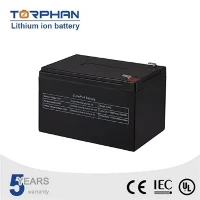

As a supplier of Home Battery Storage, I've witnessed firsthand the growing interest in these systems as homeowners seek to enhance energy independence and reduce their carbon footprint. However, it's crucial to understand the environmental impact of manufacturing home battery storage to make informed decisions. In this blog, I'll delve into the various aspects of this topic, from raw material extraction to end-of-life disposal.
Raw Material Extraction
The production of home battery storage systems begins with the extraction of raw materials. Lithium, cobalt, nickel, and manganese are some of the key components used in lithium-ion batteries, which are the most common type of home battery storage. These materials are typically mined from various locations around the world, each with its own environmental challenges.
Lithium mining, for example, can have significant environmental impacts. It often involves large-scale water extraction, which can deplete local water resources and disrupt ecosystems. Additionally, the extraction process can generate large amounts of waste and pollution, including heavy metals and chemicals.
Cobalt mining is another area of concern. Much of the world's cobalt comes from the Democratic Republic of Congo, where mining operations are often associated with human rights abuses and environmental degradation. The extraction process can also release toxic chemicals into the environment, posing a risk to human health and wildlife.
Nickel and manganese mining also have their own environmental challenges. These metals are often mined using open-pit methods, which can cause deforestation, soil erosion, and water pollution. The processing of these metals can also generate significant amounts of greenhouse gas emissions.
Manufacturing Process
Once the raw materials are extracted, they are transported to manufacturing facilities where they are processed into battery cells. The manufacturing process involves a series of complex steps, including mixing, coating, and assembly. Each of these steps requires energy and resources, and can generate waste and emissions.
The production of lithium-ion batteries, in particular, is energy-intensive. The manufacturing process requires large amounts of electricity, which is often generated from fossil fuels. This can result in significant greenhouse gas emissions, contributing to climate change.
In addition to energy consumption, the manufacturing process can also generate waste and pollution. The production of battery cells involves the use of chemicals and solvents, which can be hazardous to human health and the environment. These chemicals can be released into the air, water, and soil during the manufacturing process, posing a risk to nearby communities.
Transportation
Once the battery cells are manufactured, they are transported to distribution centers and ultimately to the end-user. The transportation of home battery storage systems can also have an environmental impact. The use of fossil fuels in transportation, such as trucks and ships, can generate greenhouse gas emissions and contribute to air pollution.
In addition to emissions, the transportation of battery storage systems can also pose a risk of accidents and spills. If a battery is damaged during transportation, it can release hazardous chemicals and pose a risk to human health and the environment.


End-of-Life Disposal
The end-of-life disposal of home battery storage systems is another important consideration. Lithium-ion batteries, in particular, contain hazardous materials that can be harmful to the environment if not disposed of properly. These materials include heavy metals, such as lithium, cobalt, and nickel, as well as toxic chemicals.
If a battery is not recycled or disposed of properly, it can end up in landfills, where it can leach hazardous chemicals into the soil and groundwater. This can pose a risk to human health and the environment.
To address these concerns, many countries have implemented regulations and policies to promote the recycling and proper disposal of lithium-ion batteries. Recycling can help to recover valuable materials from used batteries, reducing the need for new raw material extraction and minimizing the environmental impact of battery production.
Mitigating the Environmental Impact
While the manufacturing of home battery storage systems has some environmental impacts, there are also steps that can be taken to mitigate these impacts. Here are some strategies that can be employed:
- Sustainable Raw Material Sourcing: Look for suppliers that source raw materials from sustainable mines and ensure that they adhere to environmental and social standards. This can help to reduce the environmental impact of raw material extraction.
- Energy-Efficient Manufacturing: Implement energy-efficient technologies and practices in the manufacturing process to reduce energy consumption and greenhouse gas emissions. This can include using renewable energy sources, such as solar and wind power, and optimizing production processes to minimize waste.
- Recycling and Reuse: Promote the recycling and reuse of home battery storage systems at the end of their life cycle. This can help to recover valuable materials and reduce the need for new raw material extraction.
- Transportation Optimization: Optimize the transportation of home battery storage systems to reduce emissions and minimize the risk of accidents and spills. This can include using more efficient transportation modes, such as rail and water, and implementing safety measures to prevent damage to the batteries during transportation.
Conclusion
As a supplier of Home Battery Storage, I'm committed to minimizing the environmental impact of our products. By understanding the environmental impact of manufacturing home battery storage systems, we can take steps to reduce our carbon footprint and promote sustainable practices.
If you're interested in learning more about our Home Battery Energy Storage System or 48v Li Ion Battery for Home Energy Storage, please visit our website Home Energy Storage. We're here to help you make an informed decision and find the right solution for your energy needs. Contact us today to start the procurement discussion and take the first step towards a more sustainable future.
References
- International Energy Agency. (2021). Global EV Outlook 2021.
- United Nations Environment Programme. (2020). Global Battery Alliance.
- World Bank. (2020). The Growing Role of Minerals and Metals for a Low-Carbon Future.