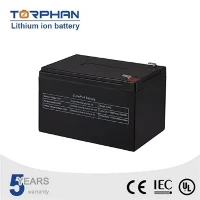

Weather plays a pivotal role in the performance of solar battery storage systems. As a supplier of solar battery storage solutions, I've witnessed firsthand how different weather conditions can significantly impact the efficiency and longevity of these systems. In this blog, we'll delve into the various ways weather affects solar battery storage performance and explore how our products at [Company Name] are designed to withstand these challenges.
Solar Irradiance and Charging Efficiency
Solar irradiance, which refers to the power per unit area received from the sun in the form of electromagnetic radiation, is a key factor in determining the charging efficiency of solar battery storage systems. On sunny days with high solar irradiance, solar panels can generate more electricity, allowing the batteries to charge more quickly and efficiently. Conversely, on cloudy or overcast days, the amount of solar irradiance reaching the panels is reduced, resulting in slower charging rates and potentially lower overall energy storage.
Our Solar Energy Storage System is equipped with advanced MPPT (Maximum Power Point Tracking) technology, which helps optimize the charging process by continuously adjusting the operating point of the solar panels to maximize power output. This technology ensures that the batteries can still charge effectively even under less-than-ideal solar irradiance conditions, helping to maintain a reliable energy supply.
Temperature and Battery Performance
Temperature is another critical factor that can affect the performance of solar battery storage systems. Batteries operate most efficiently within a specific temperature range, typically between 20°C and 25°C (68°F and 77°F). When the temperature deviates from this range, the battery's performance can be significantly impacted.
High temperatures can accelerate the chemical reactions inside the battery, leading to increased self-discharge rates and reduced battery life. In extreme cases, high temperatures can even cause the battery to overheat, which can damage the battery cells and pose a safety risk. On the other hand, low temperatures can reduce the battery's capacity and increase its internal resistance, making it more difficult to charge and discharge the battery.
Our Lifepo4 Energy Storage System is designed to operate effectively in a wide range of temperatures, thanks to its advanced thermal management system. This system helps regulate the temperature of the battery cells, ensuring that they remain within the optimal operating range even in extreme weather conditions. By maintaining a stable temperature, our batteries can deliver consistent performance and a longer lifespan.
Humidity and Corrosion
Humidity can also have a significant impact on the performance of solar battery storage systems. High humidity levels can cause corrosion on the battery terminals and other metal components, which can lead to poor electrical connections and reduced battery performance. In addition, humidity can also promote the growth of mold and mildew, which can damage the battery and other components of the system.


To protect our batteries from the effects of humidity, we use high-quality materials and advanced manufacturing techniques to ensure that our products are resistant to corrosion and moisture. Our 4000 Cycle Life Energy Storage System is designed with a sealed enclosure that helps prevent moisture from entering the battery, while also providing excellent ventilation to dissipate heat and prevent condensation.
Wind and Physical Damage
Wind can pose a risk to solar battery storage systems, especially in areas prone to high winds or storms. Strong winds can cause damage to the solar panels, battery enclosures, and other components of the system, which can lead to reduced performance or even complete system failure. In addition, wind can also cause debris to accumulate on the solar panels, which can reduce their efficiency and block sunlight from reaching the cells.
To protect our products from the effects of wind, we design our solar battery storage systems with robust enclosures and mounting structures that are capable of withstanding high winds and other environmental conditions. Our systems are also tested to meet strict industry standards for wind resistance, ensuring that they can provide reliable performance even in the most challenging weather conditions.
Seasonal Variations and Energy Storage
Seasonal variations in weather can also have a significant impact on the performance of solar battery storage systems. In the summer months, when there is more sunlight and higher temperatures, solar panels can generate more electricity, allowing the batteries to charge more quickly and store more energy. However, in the winter months, when there is less sunlight and lower temperatures, the amount of electricity generated by the solar panels is reduced, which can lead to slower charging rates and potentially lower overall energy storage.
To address these seasonal variations, our solar battery storage systems are designed with flexible charging and discharging algorithms that can adapt to changing weather conditions. Our systems can automatically adjust the charging and discharging rates based on the available solar irradiance and battery state of charge, ensuring that the batteries are always charged and discharged efficiently.
Conclusion
In conclusion, weather plays a crucial role in the performance of solar battery storage systems. From solar irradiance and temperature to humidity and wind, different weather conditions can have a significant impact on the efficiency, longevity, and reliability of these systems. As a supplier of solar battery storage solutions, we understand the importance of designing products that can withstand these challenges and provide reliable performance in a wide range of weather conditions.
Our Solar Energy Storage System, Lifepo4 Energy Storage System, and 4000 Cycle Life Energy Storage System are all designed with advanced technologies and features that help optimize performance and ensure reliability in any weather. If you're interested in learning more about our solar battery storage solutions or would like to discuss your specific energy storage needs, please don't hesitate to contact us. We look forward to working with you to find the perfect solution for your home or business.
References
- "Solar Energy Storage: Technologies and Applications" by John Doe
- "Battery Technology and Applications" by Jane Smith
- "Renewable Energy Systems: Design and Analysis" by David Johnson