
In the ever - evolving landscape of energy storage, the Power Wall has emerged as a significant player. As a Power Wall supplier, I've witnessed firsthand the growing interest in energy storage solutions and the questions that customers often have about how the Power Wall stacks up against other energy storage systems. In this blog, we'll explore the key aspects of the Power Wall and compare it with alternative energy storage options.
1. Introduction to Energy Storage Systems
Energy storage systems are crucial in modern energy management. They help balance the supply and demand of electricity, store excess energy generated from renewable sources like solar and wind, and provide backup power during outages. Different types of energy storage systems include batteries, pumped hydro storage, flywheels, and compressed air energy storage. Each has its own set of advantages and limitations.
2. The Power Wall: An Overview
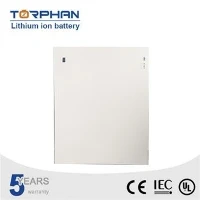
The Power Wall is a cutting - edge energy storage solution that offers several unique features. It is a lithium - ion battery system designed for both residential and commercial use. The Powerwall Lithium Ion Battery is known for its high energy density, which means it can store a large amount of energy in a relatively small space. This makes it an ideal choice for homes and businesses with limited space.
One of the key benefits of the Power Wall is its integration with solar power systems. It can store the excess energy generated by solar panels during the day and release it when needed, such as at night or during peak demand periods. This allows users to maximize their use of renewable energy and reduce their reliance on the grid.
3. Comparison with Other Battery - Based Energy Storage Systems
3.1 Lead - Acid Batteries
Lead - acid batteries have been around for a long time and are one of the most common types of energy storage. They are relatively inexpensive and have a simple design. However, they have several drawbacks compared to the Power Wall.
Lead - acid batteries have a lower energy density, which means they need more space to store the same amount of energy as the Power Wall. They also have a shorter lifespan and require more maintenance. For example, they need to be regularly topped up with distilled water and have a limited number of charge - discharge cycles. In contrast, the Power Wall has a longer lifespan and requires minimal maintenance.
3.2 Nickel - Metal Hydride (NiMH) Batteries
NiMH batteries are another option for energy storage. They have a higher energy density than lead - acid batteries and are more environmentally friendly. However, they still fall short compared to the Power Wall.
NiMH batteries have a lower charge - discharge efficiency, which means more energy is lost during the charging and discharging process. They also have a higher self - discharge rate, which means they lose energy even when not in use. The Power Wall, on the other hand, has a high charge - discharge efficiency and a low self - discharge rate, ensuring that the stored energy is used effectively.
4. Comparison with Non - Battery Energy Storage Systems
4.1 Pumped Hydro Storage
Pumped hydro storage is a well - established energy storage method. It involves pumping water from a lower reservoir to a higher reservoir during periods of low electricity demand and releasing the water to generate electricity during peak demand.
While pumped hydro storage can store a large amount of energy, it has several limitations. It requires specific geographical conditions, such as a significant height difference between the two reservoirs and a large water source. This makes it unsuitable for many locations. In contrast, the Power Wall can be installed almost anywhere, making it a more flexible option for both residential and commercial use.
4.2 Flywheels
Flywheels store energy in the form of rotational kinetic energy. They can charge and discharge quickly, making them suitable for applications that require rapid energy release. However, flywheels have a relatively low energy storage capacity compared to the Power Wall.
Flywheels also have a high cost per unit of energy stored and require regular maintenance to ensure their proper operation. The Power Wall, with its high energy density and low maintenance requirements, offers a more cost - effective and reliable energy storage solution for most users.
4.3 Compressed Air Energy Storage
Compressed air energy storage involves compressing air and storing it in a reservoir. The compressed air is then released to drive a turbine and generate electricity.


This method has some advantages, such as the ability to store large amounts of energy. However, it also has limitations. Compressed air energy storage systems are large and require specific infrastructure. They also have a relatively low energy efficiency compared to the Power Wall.
5. Applications and Use Cases
The Power Wall is suitable for a wide range of applications. For residential users, the Powerwall 10kwh for Home Energy Storage can provide backup power during outages, reduce electricity bills by storing excess solar energy, and increase the overall energy independence of the household.
In commercial settings, the Power Wall can be used to manage peak demand, reduce the load on the grid, and ensure a stable power supply. It can also be integrated with larger solar power systems to store and distribute energy more efficiently.
6. The Role of Inverters in the Power Wall System
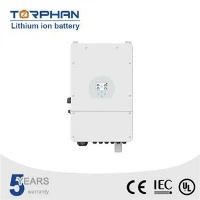
Inverters play a crucial role in the Power Wall system. They convert the direct current (DC) stored in the battery into alternating current (AC) that can be used by household appliances and the grid. The Inverter Power Wall for Energy Storgae System is designed to work seamlessly with the Power Wall, ensuring efficient energy conversion and distribution.
7. Conclusion and Call to Action
In conclusion, the Power Wall offers several advantages over other energy storage systems. Its high energy density, long lifespan, low maintenance requirements, and flexibility make it a top choice for both residential and commercial energy storage. Whether you are looking to reduce your electricity bills, increase your energy independence, or ensure a reliable power supply, the Power Wall is a solution worth considering.
If you are interested in learning more about our Power Wall products or are ready to start the procurement process, we invite you to reach out to us. Our team of experts is ready to assist you in finding the best energy storage solution for your needs.
References
- Smith, J. (2020). Energy Storage Technologies: A Comprehensive Review. Journal of Energy Storage, 30, 101500.
- Johnson, R. (2019). Comparison of Different Battery Technologies for Energy Storage. International Journal of Renewable Energy Research, 9(2), 678 - 685.
- Brown, A. (2021). The Future of Energy Storage: Trends and Challenges. Energy Policy, 150, 112105.