
In the era of rapid technological advancement, the concept of smart energy systems has emerged as a crucial solution to address the challenges of energy efficiency, sustainability, and reliability. As a leading Energy System supplier, we are at the forefront of integrating cutting - edge technologies into our solutions to revolutionize the way energy is generated, stored, and consumed. In this blog, we will explore the key technologies used in a smart energy system and how they contribute to a more efficient and sustainable energy future.
Renewable Energy Generation Technologies
Renewable energy sources are the cornerstone of a smart energy system. They offer a clean and sustainable alternative to fossil fuels, helping to reduce greenhouse gas emissions and mitigate climate change.
Solar Power
Solar power is one of the most widely used renewable energy technologies. Photovoltaic (PV) cells convert sunlight directly into electricity. Our company offers high - efficiency PV panels that are designed to maximize energy production even in low - light conditions. These panels are made from advanced semiconductor materials that have improved over the years in terms of efficiency and durability. For instance, the latest monocrystalline silicon PV panels can achieve conversion efficiencies of up to 22% or even higher in some cases.
Solar power systems can be installed on rooftops of residential and commercial buildings, as well as in large - scale solar farms. The integration of smart inverters in solar power systems allows for better management of the electricity generated. These inverters can adjust the output voltage and frequency to match the grid requirements, and they also enable real - time monitoring of the system's performance.
Wind Power
Wind power is another important renewable energy source. Wind turbines convert the kinetic energy of the wind into electrical energy. Our Energy System portfolio includes both on - shore and off - shore wind turbine solutions. On - shore wind turbines are typically more cost - effective for smaller - scale projects, while off - shore wind turbines can take advantage of stronger and more consistent winds, resulting in higher energy production.
Advanced control systems are used in modern wind turbines to optimize their performance. These systems can adjust the pitch of the turbine blades according to the wind speed and direction, ensuring maximum energy capture. In addition, condition monitoring technologies are employed to detect any potential faults in the turbine components early, reducing maintenance costs and downtime.
Hydroelectric Power
Hydroelectric power has been a reliable source of renewable energy for many years. It involves the conversion of the energy of flowing water into electricity. Our company offers a range of hydroelectric power solutions, from small - scale micro - hydro systems suitable for rural areas to large - scale dams.
Smart grid technologies are used in hydroelectric power plants to manage the energy output. These technologies allow for better coordination with other energy sources in the grid, ensuring a stable and reliable electricity supply. For example, by predicting the electricity demand and the flow of water, the power plant can adjust its generation capacity accordingly.
Energy Storage Technologies
Energy storage is a critical component of a smart energy system. It allows for the balancing of energy supply and demand, as well as the integration of intermittent renewable energy sources.
Battery Storage Systems
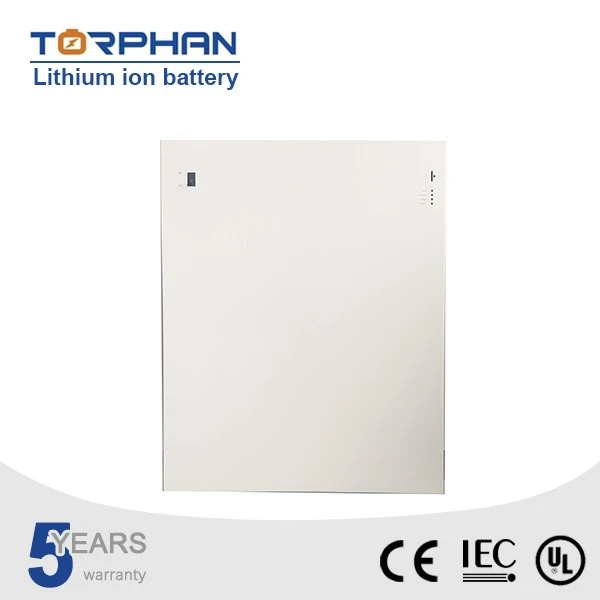
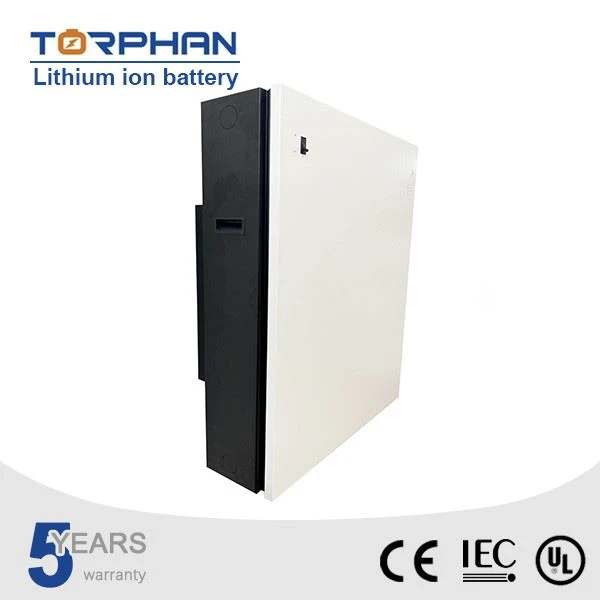
Battery storage systems are among the most popular energy storage solutions. Container Energy Storage System LiFePO4 is one of our high - performance battery storage products. Lithium - iron - phosphate (LiFePO4) batteries are widely used in these systems due to their long cycle life, high energy density, and enhanced safety features.
These container - based battery storage systems can be easily deployed in various locations. They can store excess electricity generated from renewable energy sources during periods of low demand and release it when the demand is high. Similarly, Easy To Hang Power Wall is a convenient battery storage solution for residential applications. It can be easily installed on the wall of a house, providing backup power and helping to reduce electricity bills.
Another type of battery storage we offer is the Battery Storage Of Electrical Energy. These systems are designed for both residential and commercial use and can store a significant amount of electrical energy for later use.
Pumped Hydro Storage
Pumped hydro storage is a large - scale energy storage technology. It works by using excess electricity to pump water from a lower reservoir to a higher reservoir. When electricity is needed, the water is released back to the lower reservoir through turbines, generating electricity.
This technology has a high energy storage capacity and a long lifespan. It is often used in conjunction with large - scale power plants and renewable energy sources to provide grid stability. Our company has experience in the design and implementation of pumped hydro storage projects, ensuring efficient and reliable operation.
Smart Grid Technologies
The smart grid is the backbone of a smart energy system. It enables the two - way flow of electricity and information between energy producers, consumers, and the grid.
Advanced Metering Infrastructure (AMI)
AMI is a key component of the smart grid. It includes smart meters that are installed at the consumer's premises. These meters can measure electricity consumption in real - time and communicate the data back to the utility company. This allows for more accurate billing and better management of energy consumption.
Consumers can also access this data through online portals or mobile applications, enabling them to monitor their energy usage and make more informed decisions about their energy consumption. For example, they can identify peak usage periods and adjust their behavior accordingly to reduce costs.
Distribution Automation
Distribution automation technologies are used to improve the reliability and efficiency of the power distribution network. These technologies include automated switches, sensors, and control systems. They can detect faults in the distribution network quickly and isolate the affected areas, minimizing the extent of power outages.
In addition, distribution automation can optimize the flow of electricity in the network, reducing losses and improving the overall efficiency of the grid. Our company provides advanced distribution automation solutions that are designed to meet the specific needs of different power distribution systems.
Demand Response Management
Demand response management is a strategy that encourages consumers to adjust their electricity consumption in response to changes in electricity prices or grid conditions. Our smart energy systems are equipped with demand response management capabilities.
Through real - time communication with consumers, we can send signals to adjust their energy usage during peak demand periods. For example, a residential customer may receive a signal to turn off non - essential appliances such as air conditioners or water heaters for a short period. This helps to balance the energy supply and demand in the grid and avoid the need for building additional power plants.
Artificial Intelligence and Machine Learning in Smart Energy Systems
Artificial intelligence (AI) and machine learning (ML) are playing an increasingly important role in smart energy systems.
Predictive Maintenance
AI and ML algorithms can be used for predictive maintenance of energy system components. By analyzing data from sensors installed on equipment such as turbines, solar panels, and batteries, these algorithms can predict when a component is likely to fail.
This allows for proactive maintenance, reducing downtime and maintenance costs. For example, in a wind turbine, the algorithm can detect early signs of bearing wear based on vibration data, and maintenance can be scheduled before a major failure occurs.
Energy Forecasting
AI and ML are also used for energy forecasting. By analyzing historical energy consumption data, weather data, and other relevant factors, these algorithms can predict future energy demand and supply.
This information is crucial for grid operators to make informed decisions about energy generation and distribution. For example, if the algorithm predicts a high demand for electricity on a hot summer day, the grid operator can plan to increase the generation capacity from appropriate sources in advance.
Conclusion
As a leading Energy System supplier, we are committed to leveraging the latest technologies to provide our customers with efficient, reliable, and sustainable energy solutions. The technologies used in a smart energy system, including renewable energy generation, energy storage, smart grid, and AI/ML, work together to create a more intelligent and sustainable energy ecosystem.
If you are interested in our smart energy system solutions or want to learn more about how these technologies can benefit your energy needs, we invite you to contact us for a detailed discussion and procurement negotiation. We look forward to working with you to build a more sustainable energy future.
References
- "Renewable Energy Technologies: A Guide to Current Status and Future Prospects", International Renewable Energy Agency (IRENA)
- "Smart Grid Technologies: Concepts and Applications", IEEE Press
- "Battery Energy Storage Systems for Grid - Scale Applications", Journal of Power Sources


