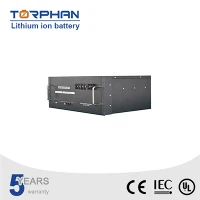

When it comes to powering a golf cart, choosing the right battery is crucial. As a reputable Golf Cart Battery supplier, we understand the importance of making an informed decision. In this blog post, we will explore different types of golf cart batteries, their characteristics, advantages, and disadvantages, to help you determine which one is best for your needs.
Types of Golf Cart Batteries
Lead - Acid Batteries
Lead - acid batteries are the most traditional and commonly used type for golf carts. They come in two main subtypes: flooded lead - acid (FLA) and sealed lead - acid (SLA).
Flooded Lead - Acid (FLA) Batteries
FLA batteries are the oldest and most well - known type. They consist of lead plates submerged in a liquid electrolyte solution of sulfuric acid and water. These batteries are relatively inexpensive, which makes them a popular choice for budget - conscious consumers.
One of the main advantages of FLA batteries is their high energy density, which means they can store a significant amount of energy. This allows golf carts to have a decent range on a single charge. However, they also have several drawbacks. FLA batteries require regular maintenance, including checking and adding distilled water to the cells to prevent the plates from drying out. They also produce hydrogen gas during the charging process, which can be explosive if not properly ventilated. Additionally, the lifespan of FLA batteries is relatively short, typically around 3 - 5 years.


Sealed Lead - Acid (SLA) Batteries
SLA batteries, also known as valve - regulated lead - acid (VRLA) batteries, are a maintenance - free alternative to FLA batteries. They are sealed, which means they do not require watering and can be mounted in any position. This makes them more convenient for golf cart users, especially those who do not want to deal with the hassle of maintenance.
SLA batteries are also safer than FLA batteries because they do not produce hydrogen gas in large quantities. However, they are more expensive than FLA batteries, and their energy density is generally lower. This results in a shorter range compared to FLA batteries of the same size. Their lifespan is slightly longer than FLA batteries, usually around 5 - 7 years.
Lithium - Ion Batteries
Lithium - ion batteries are a newer and more advanced option for golf carts. They are becoming increasingly popular due to their numerous advantages over lead - acid batteries.
Lithium - Iron Phosphate (LiFePO4) Batteries
LiFePO4 batteries are a type of lithium - ion battery that is specifically well - suited for golf carts. They offer several key benefits. Firstly, they have a much higher energy density than lead - acid batteries. This means that for the same weight and size, a LiFePO4 battery can store more energy, providing a longer range for your golf cart.
Secondly, LiFePO4 batteries have a much longer lifespan. They can typically last 8 - 10 years or more, which is significantly longer than lead - acid batteries. This reduces the long - term cost of ownership, as you won't have to replace the batteries as frequently.
Another advantage is their fast charging capability. LiFePO4 batteries can be charged much faster than lead - acid batteries, which means less downtime for your golf cart. They also have a high charge - discharge efficiency, which means they waste less energy during the charging and discharging process.
However, Lithium - ion batteries, including LiFePO4 batteries, are more expensive upfront than lead - acid batteries. But considering their longer lifespan, higher performance, and lower maintenance requirements, the total cost of ownership over time can be more economical.
Comparison of Different Battery Types
| Battery Type | Advantages | Disadvantages | Lifespan | Cost |
|---|---|---|---|---|
| Flooded Lead - Acid (FLA) | Inexpensive, high energy density | Requires regular maintenance, produces hydrogen gas, short lifespan | 3 - 5 years | Low |
| Sealed Lead - Acid (SLA) | Maintenance - free, safer | More expensive, lower energy density | 5 - 7 years | Medium |
| Lithium - Iron Phosphate (LiFePO4) | High energy density, long lifespan, fast charging, high efficiency | High upfront cost | 8 - 10+ years | High upfront, lower long - term |
Factors to Consider When Choosing a Golf Cart Battery
Usage and Range Requirements
If you use your golf cart frequently and need to cover long distances, a battery with high energy density and a long range, such as a lithium - ion battery, would be a better choice. On the other hand, if you only use your golf cart occasionally and for short distances, a lead - acid battery may be sufficient.
Maintenance Preferences
If you prefer a low - maintenance option, sealed lead - acid or lithium - ion batteries are better choices. If you don't mind performing regular maintenance tasks, such as checking water levels and cleaning terminals, a flooded lead - acid battery can be a cost - effective option.
Budget
Your budget is an important factor. While lithium - ion batteries have many advantages, their high upfront cost may not be suitable for everyone. If you are on a tight budget, a lead - acid battery may be a more practical choice. However, it's important to consider the long - term cost of ownership, including replacement costs and maintenance expenses.
Why Lithium - Ion Batteries are a Great Choice
As a Golf Cart Battery supplier, we often recommend lithium - ion batteries, especially Lithium - Iron Phosphate (LiFePO4) batteries, for several reasons.
Firstly, they offer a significant improvement in performance. With their high energy density, your golf cart can travel further on a single charge, allowing you to enjoy longer rounds of golf or more extended rides around the course. The fast charging feature means that you can quickly get back on the road, reducing waiting time.
Secondly, the long lifespan of lithium - ion batteries means less hassle and cost in the long run. You won't have to worry about replacing the batteries as often as you would with lead - acid batteries.
Finally, lithium - ion batteries are more environmentally friendly. They have a lower self - discharge rate and higher charge - discharge efficiency, which means they waste less energy. Additionally, they do not contain harmful heavy metals like lead, making them a more sustainable choice.
If you are interested in Electric Golf Cart Lithium Battery or Golf Cart Lithium Battery, we have a wide range of products to meet your needs. Our team of experts can help you select the right battery based on your specific requirements.
Conclusion
In conclusion, the best type of battery for a golf cart depends on your individual needs and preferences. Lead - acid batteries are a traditional and cost - effective option, but they require more maintenance and have a shorter lifespan. Lithium - ion batteries, especially LiFePO4 batteries, offer superior performance, longer lifespan, and lower maintenance requirements, although they have a higher upfront cost.
If you are looking for a high - quality golf cart battery, we invite you to contact us for more information. Our team of professionals is ready to assist you in choosing the right battery for your golf cart and provide you with the best possible service. Whether you are a golf course owner, a private golf cart user, or a distributor, we can offer you competitive prices and reliable products.
References
- "Battery Technology Handbook" by David Linden and Thomas Reddy
- "Golf Cart Maintenance and Repair Guide" by John Doe
- Industry reports on golf cart battery technology and market trends