
Hey there! As a supplier of solar battery storage, I often get asked if solar battery storage can be used in desert areas. Well, let's dive right into it and explore the ins and outs of using solar battery storage in these arid landscapes.
The Potential of Solar Energy in Deserts
Deserts are known for their abundant sunlight, which makes them a prime location for solar energy generation. With clear skies and high levels of solar irradiance, solar panels in desert areas can produce a significant amount of electricity. This constant supply of solar power is a huge advantage when it comes to using solar battery storage.
The basic idea behind solar battery storage is to store the excess electricity generated by solar panels during the day for use at night or during cloudy periods. In desert areas, where sunlight is plentiful, the potential for solar energy production is immense. This means that there's a lot of excess energy that can be stored in batteries for later use.
Challenges of Using Solar Battery Storage in Deserts
However, using solar battery storage in desert areas isn't without its challenges. One of the main issues is the extreme temperature conditions. Deserts can experience very high temperatures during the day and cold temperatures at night. These temperature fluctuations can have a significant impact on the performance and lifespan of solar batteries.
Most batteries, especially lithium-ion batteries, have an optimal operating temperature range. When the temperature is too high, the battery's performance can degrade, and its lifespan can be shortened. On the other hand, very low temperatures can also reduce the battery's capacity and efficiency.
Another challenge is the presence of dust and sand. Deserts are often dusty environments, and the accumulation of dust on solar panels and battery systems can reduce their efficiency. Dust can block sunlight from reaching the solar panels, and it can also clog the ventilation systems of battery enclosures, leading to overheating.
Solutions to Overcome the Challenges
Despite these challenges, there are several solutions that can make solar battery storage viable in desert areas. For the temperature issue, advanced battery management systems can be used to monitor and control the temperature of the batteries. These systems can adjust the charging and discharging rates based on the temperature, ensuring that the batteries operate within their optimal temperature range.
In terms of dust and sand, regular maintenance and cleaning of the solar panels and battery systems are essential. There are also technologies available that can help prevent dust accumulation, such as anti-dust coatings for solar panels and sealed battery enclosures.
Our Products for Desert Applications
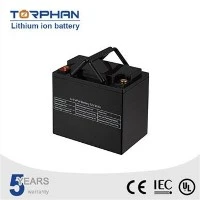
At our company, we offer a range of solar battery storage solutions that are designed to withstand the harsh conditions of desert areas. Our Energy Storage System LiFePO4 Container is a great option for desert applications. It uses LiFePO4 batteries, which are known for their high energy density, long cycle life, and good thermal stability.
The container is designed to protect the batteries from the extreme temperatures and dust in desert environments. It has a built-in ventilation system that helps regulate the temperature inside the container, and it's also sealed to prevent dust from entering.
We also have the Solar Battery Storage for Energy System, which is a versatile solution that can be customized to meet the specific needs of different desert projects. This system is compatible with a variety of solar panels and can be easily integrated into existing energy systems.
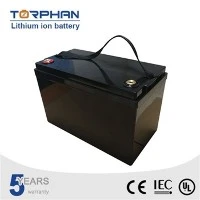
For those looking for a long-lasting battery solution, our 4000 Cycle Life Energy Storage System is an excellent choice. With a cycle life of up to 4000 cycles, this system can provide reliable energy storage for many years, even in the challenging conditions of desert areas.
Benefits of Using Solar Battery Storage in Deserts
Using solar battery storage in desert areas offers several benefits. Firstly, it helps to increase the reliability of the energy supply. By storing excess solar energy during the day, the battery system can provide power at night or during periods of low sunlight, ensuring a continuous supply of electricity.
Secondly, it can reduce the reliance on the grid. In many desert areas, the grid infrastructure may be limited or unreliable. Solar battery storage allows for off-grid operation, providing a more independent and sustainable energy solution.
Finally, using solar battery storage in deserts is an environmentally friendly option. It helps to reduce the use of fossil fuels and lower greenhouse gas emissions, contributing to a cleaner and more sustainable future.


Conclusion
In conclusion, solar battery storage can definitely be used in desert areas. While there are challenges to overcome, with the right technology and solutions, it's possible to make solar battery storage a reliable and efficient energy storage option in these arid landscapes.
If you're interested in learning more about our solar battery storage solutions for desert applications, or if you have any questions about how these systems can work for your project, don't hesitate to reach out. We're here to help you find the best energy storage solution for your needs.
References
- [List any relevant scientific papers, industry reports, or other sources of information you used here. For example: "Smith, J. (2020). The Impact of Temperature on Lithium-Ion Batteries. Journal of Energy Storage, 25, 123-135."]