
What is a Micro - Energy System?
As a supplier in the energy system industry, I've had the privilege of witnessing the remarkable evolution and growing significance of micro - energy systems. In this blog, I'll delve into what a micro - energy system is, its components, benefits, and how it fits into the broader energy landscape.
Defining a Micro - Energy System
A micro - energy system is a localized energy network that can operate independently or in conjunction with the main grid. It is designed to generate, store, and distribute energy within a relatively small area, such as a campus, industrial park, or a small community. This self - contained system allows for a more efficient and sustainable use of energy resources.
Micro - energy systems typically integrate multiple energy sources, including renewable energy sources like solar, wind, and hydro, as well as traditional fossil - fuel - based generators. The key feature of a micro - energy system is its ability to balance energy supply and demand in real - time, ensuring a stable and reliable energy supply.
Components of a Micro - Energy System
1. Energy Generation
The energy generation component of a micro - energy system is diverse. Solar panels are a popular choice for generating electricity from sunlight. They are relatively easy to install and can be placed on rooftops or in open areas. Wind turbines, on the other hand, are suitable for locations with consistent wind patterns. These renewable energy sources are clean and sustainable, reducing the carbon footprint of the micro - energy system.
In addition to renewables, some micro - energy systems also incorporate small - scale fossil - fuel generators, such as diesel or natural gas generators. These can serve as backup power sources during periods of low renewable energy production or high energy demand.
For example, an off - grid solar inverter, like the one available at Off - grid Solar Inverter, plays a crucial role in converting the direct current (DC) electricity generated by solar panels into alternating current (AC) electricity that can be used by electrical appliances.
2. Energy Storage
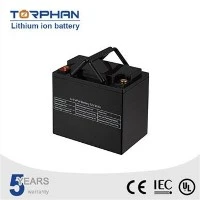
Energy storage is a vital part of a micro - energy system. It allows for the storage of excess energy generated during periods of low demand and its release during peak demand. Lithium - ion batteries are commonly used for energy storage in micro - energy systems due to their high energy density, long cycle life, and relatively low maintenance requirements.
A Container Lithium Energy Storage System is a great example of an energy storage solution. These systems can store large amounts of energy and are designed to be easily integrated into micro - energy systems. They can be used to store energy from solar panels or wind turbines and provide power when needed.
3. Energy Management System
An energy management system (EMS) is the brain of a micro - energy system. It monitors and controls the energy flow within the system, optimizing the use of energy resources. The EMS can adjust the operation of energy generation and storage components based on factors such as energy demand, energy prices, and the availability of renewable energy.
For instance, during the day when solar energy is abundant, the EMS can direct excess energy to the energy storage system. At night or during periods of high demand, the stored energy can be released to meet the load. This real - time control ensures the efficient operation of the micro - energy system.
Benefits of Micro - Energy Systems
1. Energy Independence
One of the primary benefits of a micro - energy system is energy independence. By generating and storing its own energy, a community or facility can reduce its reliance on the main grid. This is particularly important in areas with unreliable grid infrastructure or during natural disasters when the grid may be down.


2. Cost Savings
Micro - energy systems can lead to significant cost savings in the long run. By using renewable energy sources, the cost of energy generation can be reduced. Additionally, energy storage systems can help to avoid peak - time electricity charges by storing energy during off - peak hours and using it during peak hours.
3. Environmental Sustainability
Micro - energy systems are more environmentally friendly compared to traditional energy systems. The use of renewable energy sources reduces greenhouse gas emissions and helps to combat climate change. By promoting the use of clean energy, micro - energy systems contribute to a more sustainable future.
4. Resilience
Micro - energy systems are more resilient to power outages and disruptions. In the event of a grid failure, a micro - energy system can continue to operate independently, providing essential power to critical facilities such as hospitals, schools, and emergency response centers.
Applications of Micro - Energy Systems
Micro - energy systems have a wide range of applications. They can be used in residential areas to provide clean and reliable energy to homes. In commercial and industrial settings, micro - energy systems can help to reduce energy costs and improve energy efficiency.
Campuses and universities can also benefit from micro - energy systems. These systems can power academic buildings, dormitories, and research facilities, while also providing a platform for energy research and education.
Powerwall Cycle Life and Its Importance
The Powerwall Cycle Life is an important factor to consider in a micro - energy system. A powerwall is a type of energy storage device, and its cycle life refers to the number of charge - discharge cycles it can undergo before its performance starts to degrade significantly.
A longer cycle life means that the powerwall can be used for a longer period of time, reducing the need for frequent replacements. This is crucial for the economic viability of a micro - energy system, as the cost of replacing energy storage devices can be significant.
Contact for Procurement
If you're interested in implementing a micro - energy system for your facility or community, we're here to help. Our team of experts can provide you with customized solutions based on your specific energy needs. Whether you're looking for energy generation equipment, energy storage systems, or an energy management system, we have the products and expertise to meet your requirements.
We invite you to reach out to us to discuss your energy project and explore the possibilities of a micro - energy system. Let's work together to create a more sustainable and energy - efficient future.
References
- "Micro - Grid Technologies and Applications" by X. Fang, S. Misra, G. Xue, and D. Yang.
- "Renewable Energy Systems: Design and Analysis with Inductive Loads" by S. A. Nasar.
- "Energy Storage for Renewable Energy Systems" by J. C. Zamfirescu and C. M. Stan.