
As a supplier of forklift batteries, I often encounter customers who are unsure about how to dispose of a forklift battery that is no longer usable. This is a crucial issue not only for environmental reasons but also for safety and regulatory compliance. In this blog, I'll share some insights and best practices on the proper disposal of forklift batteries.
Understanding Forklift Batteries
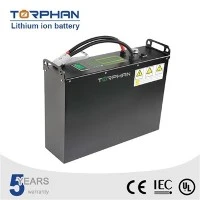
Forklift batteries come in different types, with lead - acid and lithium - ion being the most common. Lead - acid batteries have been around for a long time and are known for their reliability and relatively low cost. They are heavy and contain sulfuric acid, which can be hazardous if not handled properly. On the other hand, lithium - ion batteries, such as the Lithium Ion Battery 8FBN20, are lighter, have a longer lifespan, and offer higher energy density. They are also becoming increasingly popular in the forklift industry.


Reasons for Battery Disposal
There are several reasons why a forklift battery may need to be disposed of. Over time, batteries lose their capacity to hold a charge. This can be due to normal wear and tear, overcharging, or undercharging. Physical damage to the battery, such as cracks or leaks, can also render it unusable. Additionally, advancements in battery technology may make older batteries obsolete, as newer models offer better performance and efficiency.
Environmental and Safety Concerns
Improper disposal of forklift batteries can have serious environmental and safety implications. Lead - acid batteries contain lead, which is a toxic heavy metal, and sulfuric acid, which is corrosive. If these substances are released into the environment, they can contaminate soil, water, and air, posing a threat to human health and wildlife. Lithium - ion batteries, while generally considered more environmentally friendly, can still be dangerous if not disposed of correctly. They can overheat, catch fire, or explode if damaged or mishandled.
Proper Disposal Methods
Recycling
Recycling is the most environmentally friendly way to dispose of forklift batteries. For lead - acid batteries, recycling can recover a significant amount of lead and other materials, reducing the need for new mining and production. Many recycling facilities are equipped to handle lead - acid batteries safely. They extract the lead, plastic, and sulfuric acid, and then process these materials for reuse.
Lithium - ion batteries, like the Lithium Battery For Forklift 80v, can also be recycled. Recycling lithium - ion batteries helps to recover valuable metals such as lithium, cobalt, and nickel. These metals can be used to manufacture new batteries, reducing the environmental impact of battery production.
Return to the Manufacturer
Some battery manufacturers offer take - back programs. If you purchased your forklift battery from a manufacturer that has such a program, you can return the used battery to them. The manufacturer will then ensure that the battery is recycled or disposed of properly. This is a convenient option as it takes the responsibility of disposal off your hands.
Professional Disposal Services
There are professional disposal services that specialize in handling hazardous waste, including forklift batteries. These services have the expertise and equipment to safely transport and dispose of batteries. They are also familiar with local regulations regarding battery disposal, ensuring that you remain compliant.
Steps to Follow for Disposal
- Inspection: Before disposing of a forklift battery, conduct a thorough inspection. Check for any signs of damage, such as cracks, leaks, or bulges. If the battery is damaged, it may require special handling.
- Discharge: Ensure that the battery is fully discharged before disposal. This reduces the risk of electrical shock and other hazards during handling.
- Documentation: Keep records of the battery's make, model, and serial number. This information may be required for regulatory purposes or for warranty claims.
- Transport: When transporting the battery, use appropriate packaging and handling equipment. Ensure that the battery is secured to prevent movement and damage during transit.
- Disposal: Choose a reputable recycling facility, manufacturer take - back program, or professional disposal service. Provide them with all the necessary information about the battery.
Regulatory Requirements
Battery disposal is subject to various local, state, and federal regulations. These regulations are in place to protect the environment and public health. It's important to familiarize yourself with the regulations in your area. Some common requirements include proper labeling of batteries, documentation of disposal, and compliance with hazardous waste transportation rules.
Alternatives to Disposal
In some cases, a forklift battery that is no longer usable may still have some value. For example, if the battery has a minor issue, it may be possible to repair it. This can be a cost - effective alternative to disposal. Additionally, some batteries can be repurposed for other applications. For instance, Lithium Golf Batteries can sometimes be used in other low - power applications.
Conclusion
Proper disposal of forklift batteries is essential for environmental protection, safety, and regulatory compliance. As a forklift battery supplier, I encourage all customers to take the necessary steps to ensure that their used batteries are disposed of correctly. Whether it's through recycling, returning the battery to the manufacturer, or using a professional disposal service, there are options available.
If you have any questions about forklift battery disposal or are interested in purchasing high - quality forklift batteries, feel free to reach out. We are committed to providing you with the best products and services in the industry.
References
- U.S. Environmental Protection Agency. "Battery Management."
- International Lead Association. "Lead - Acid Battery Recycling."
- Lithium - Ion Battery Recycling Association. "Best Practices for Lithium - Ion Battery Disposal."